Creating a home gym is an exciting project that offers convenience, flexibility, and long-term value. Training at home eliminates travel time, provides complete control over workout schedules, and allows people to build an environment that matches their personal fitness goals. However, many beginners make avoidable mistakes during the planning stage that can lead to unnecessary expenses, wasted space, or equipment that doesn’t fit their training needs.
One of the most common mistakes is purchasing equipment before developing a clear training plan. It’s easy to be influenced by social media videos or commercial gym layouts, but not every machine is necessary for an effective home workout. The best approach is to identify your primary goals first, whether they involve building strength, improving athletic performance, increasing muscle mass, or maintaining general fitness.
Another frequent error is buying too much equipment too quickly. Many first-time home gym owners believe they need a complete commercial setup from day one. In reality, a few carefully selected pieces of equipment often provide far more value than several machines that are rarely used. Starting with versatile equipment allows the gym to grow naturally as training experience increases.
Ignoring available space is another issue. Before ordering large equipment, it’s important to measure the room carefully and consider ceiling height, walking space, and storage requirements. Equipment should never make the training area feel cramped or unsafe. Good planning creates a gym that remains comfortable and efficient even during demanding workouts.
Flooring is often overlooked despite being one of the most important parts of a home gym. Proper rubber flooring protects both the equipment and the building while reducing noise and improving stability. It also creates a safer surface for exercises involving heavy weights or dynamic movements.
Many people also underestimate the importance of equipment quality. While choosing the cheapest option may seem attractive initially, lower-quality equipment often wears out more quickly or lacks the stability needed for serious strength training. Durable construction, quality materials, and reliable warranties usually provide better long-term value than replacing inexpensive equipment after only a short period of use.
Storage is another detail that deserves attention. Weight plates, resistance bands, bars, and smaller accessories can quickly clutter the workout area if no storage solution is planned. Wall-mounted organizers, vertical plate storage, and dumbbell racks help maintain a clean and organized training space while improving overall safety.
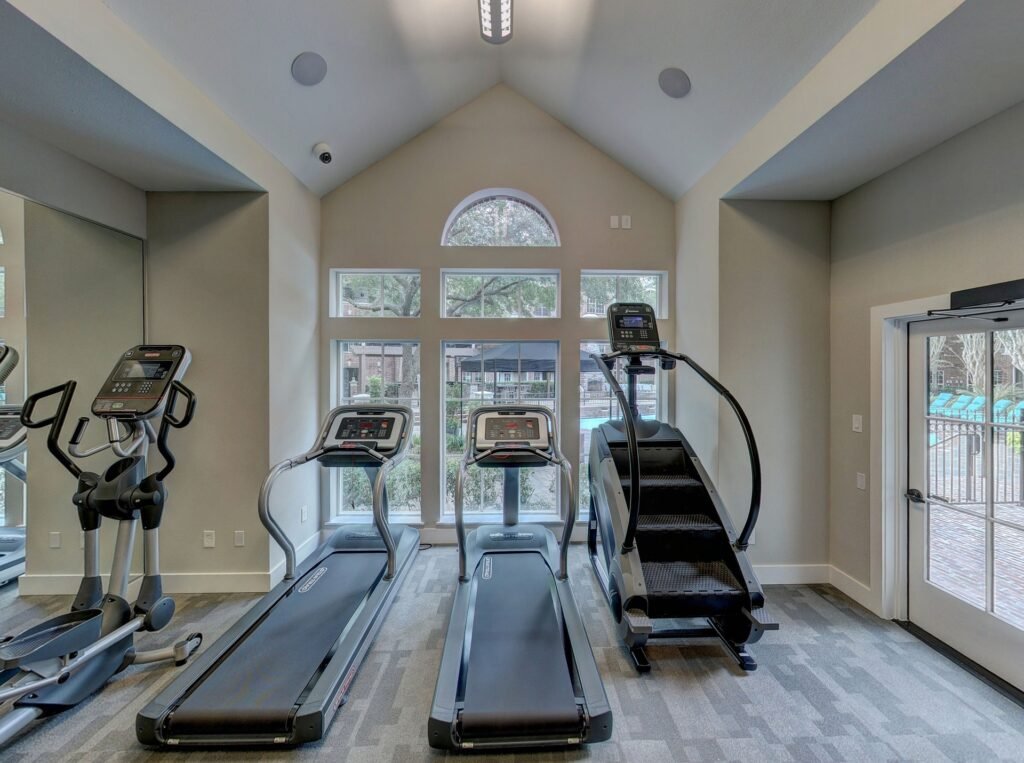
Lighting and ventilation also influence the overall training experience. A bright, well-ventilated room feels more comfortable and motivating than a dark, poorly ventilated space. Even simple improvements such as better lighting or additional airflow can make workouts significantly more enjoyable.
Another mistake is choosing equipment that cannot grow with future goals. Many people become stronger and more experienced after several months of consistent training. Investing in equipment that supports progression often prevents unnecessary upgrades later and provides greater value over time.
Research should always be part of the buying process. Reading detailed specifications, understanding weight capacities, comparing construction quality, and reviewing warranty terms help buyers make informed decisions. Reliable retailers also provide product guidance that helps customers select equipment appropriate for their available space and training objectives.
For people planning a new home gym or expanding an existing one, GearForFit offers a wide range of strength training equipment designed for different fitness levels, room sizes, and training styles. Comparing equipment carefully before purchasing makes it much easier to create a gym that will remain useful for years.
A successful home gym is built through thoughtful planning rather than impulse buying. By focusing on versatile equipment, quality construction, proper space management, and long-term goals, anyone can create a training environment that supports consistent workouts and steady progress without unnecessary expense.

James Martin is a passionate writer and the founder of OnTimeMagazines & EastLifePro. He loves to write principally about technology trends. He loves to share his opinion on what’s happening in tech around the world.