
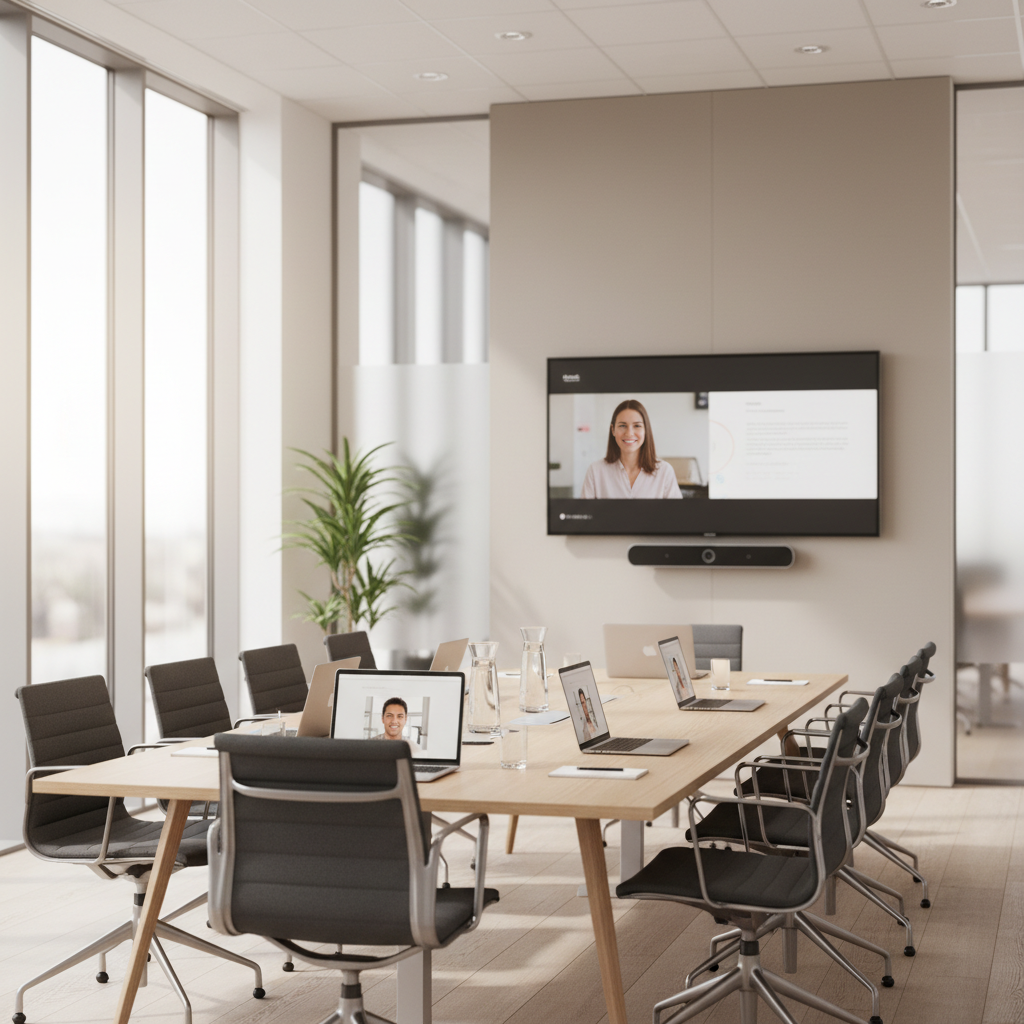
For many businesses across the United Kingdom, the hybrid work model has shifted from a temporary adjustment to a permanent fixture of corporate life. However, this transition has highlighted significant gaps in office infrastructure, particularly regarding how teams connect across distances. Research indicates that 79 percent of UK office workers frequently lose time to technical difficulties during hybrid meetings, with an average delay of 6.5 minutes per session. These interruptions are not merely minor inconveniences; they represent a measurable loss in productivity and a barrier to seamless collaboration. As organizations seek to formalize their hybrid working patterns, the focus must shift toward professional, reliable equipment that removes friction from daily operations.
Overcoming Technical Friction in the Modern Workspace
The primary cause of meeting room frustration often lies in fragmented systems that require complex cable management and manual component pairing. To address these challenges, many firms are upgrading their hardware and choosing an all-in-one conferencing bar vbc 2500 to serve as the nucleus of the modern hybrid meeting room. By integrating high-quality cameras, microphones, and speakers into a single, streamlined unit, these systems significantly reduce potential failure points. This consolidation not only speeds up meeting start times but also contributes to a cleaner, more professional office aesthetic.
With market projections suggesting that global video bar volumes will reach 1.9 million units by 2029, it is clear that this integrated approach is becoming the benchmark for small and medium-sized collaboration spaces.
Resolving Audio and Visual Disconnects
Beyond simple convenience, moving toward integrated hardware solves critical issues related to sound clarity and visual engagement. Industry reports show that 78 percent of professionals routinely deal with audio echo or distortion, while 74 percent struggle to pick up on essential visual cues from remote participants.
Modern video bars utilize advanced artificial intelligence to handle framing and audio processing automatically, ensuring that every participant remains visible and audible regardless of where they sit in the room. This level of technical maturity is essential for creating true meeting equity, allowing in-room and remote staff to interact as if they were sharing the same physical location.
Driving Productivity and Meeting Equity
Investing in dedicated, professional-grade systems is no longer just an AV cosmetic upgrade—it is a practical necessity for competitive UK enterprises. Removing technical barriers directly improves team morale and keeps business operations moving without unnecessary delays.
Core Strategic Advantages
Key benefits of upgrading to an integrated conferencing system include:
- Instant Plug-and-Play Launch: Minimizes technical downtime and eliminates awkward 6-minute delays at the start of client or team calls.
- Intelligent Framing & Beamforming Audio: Ensures remote team members see active speakers clearly and hear crisp, echo-free conversation.
- Simplified IT Maintenance: Streamlines hardware deployment, firmware updates, and troubleshooting across multiple office locations.
- Decluttered Room Aesthetics: Replaces messy tangled wiring setups with a sleek, space-saving wall or display mount.
Designing Spaces for Scalability and Versatility
As companies adjust their physical footprints, meeting spaces are evolving from rigid corporate boardrooms into versatile, multi-purpose collaboration hubs. Implementing standardized AV technology allows IT managers to scale equipment seamlessly across huddle rooms, focus pods, and open-plan meeting areas without re-engineering the tech stack for every individual room size.
Standardizing the User Experience Across Locations
One of the biggest hurdles for employees returning to the office is encountering different AV setups in every room they book. By standardizing on intuitive, unified conferencing bars, businesses ensure that the user interface and connection process remain identical throughout the entire building. Employees can walk into any space, connect their devices, and launch a session immediately without requiring on-site assistance from IT support staff.
Adapting Technology to Variable Room Acoustics
Every meeting room presents unique acoustic challenges, from glass partitions that cause sound reflections to hard flooring that creates hollow echoes. Advanced conferencing bars solve these environmental variables by incorporating dynamic signal processing (DSP) and automated room tuning. These features actively analyze the room’s acoustic profile in real time, filtering out background noise like HVAC hums or street traffic while enhancing human voice frequencies for maximum intelligibility.
Strengthening Network Security and Remote Management
With meeting hardware now permanently connected to corporate networks, AV equipment must adhere to the same rigorous cybersecurity standards as laptops, servers, and cloud infrastructure. Modern video conferencing devices are engineered as true IT endpoints, offering enterprise-grade security protocols to protect sensitive internal discussions and corporate data from unauthorized access.
Centralized Administration for IT Teams
Managing dozens or hundreds of meeting rooms across regional office locations can quickly overwhelm IT resources if handled manually. Unified conferencing systems integrate with cloud management platforms, allowing administrators to push firmware updates, monitor device health status, and troubleshoot connection issues remotely from a single dashboard. This proactive oversight prevents unexpected room outages before important executive or client calls take place.
Ensuring Data Privacy in Hybrid Environments
Enterprise security demands robust encryption standards for all audio, video, and data streams traveling across public and private networks. Enterprise-grade conferencing bars utilize end-to-end security frameworks, including secure boot processes, encrypted control protocols, and compliance with global data privacy regulations. This protection guarantees that proprietary company information remains secure during high-level strategic discussions.
Calculating the True ROI of Modernized Meeting Rooms
While upgrading workplace technology requires an initial capital investment, the long-term financial returns become clear when evaluating time savings, employee retention, and reduced travel expenditures. Eliminating persistent technical delays converts wasted meeting minutes directly back into billable hours and productive work cycles.
Quantifying Time Savings and Efficiency Gains
Reclaiming an average of 6.5 lost minutes per meeting creates substantial cumulative savings across an entire organization. For a medium-sized enterprise hosting dozens of hybrid sessions daily, smooth meeting start times translate into hundreds of operational hours saved each year. Furthermore, reliable technical infrastructure reduces frustration, creating a more positive workplace culture that supports flexible and remote working arrangements.
Reducing Travel Costs with High-Fidelity Interaction
High-definition video and crystal-clear audio bridge the physical gap between distributed teams and overseas clients, significantly cutting down on unnecessary business travel. When remote meetings feel just as immersive and effective as in-person gatherings, organizations can reduce travel budgets, shrink their carbon footprint, and accelerate decision-making timelines.
Future-Proofing UK Enterprise Collaboration
As the UK video conferencing market continues its upward trajectory—projected to exceed 1.85 billion dollars—the demand for reliable, IT-native solutions will only increase. Businesses that prioritize the optimization of their meeting spaces today will be vastly better positioned to support their distributed staff in the long run.
By replacing outdated, complex setups with unified technology, companies foster a far more natural and effective communication environment. Whether equipped for client-facing boardrooms or internal project hubs, selecting the right technology ensures that your equipment supports the conversation rather than hindering it—safeguarding the productivity of your hybrid workforce for years to come.

James Martin is a passionate writer and the founder of OnTimeMagazines & EastLifePro. He loves to write principally about technology trends. He loves to share his opinion on what’s happening in tech around the world.